






Storage billing is one of the most consistent sources of revenue leakage in container freight station operations. Manual job creation, inconsistent SLA rules, and visibility gaps mean billable days quietly disappear. Origin CFS Cargo Storage Tracking fixes this, automatically.
View our March release here.
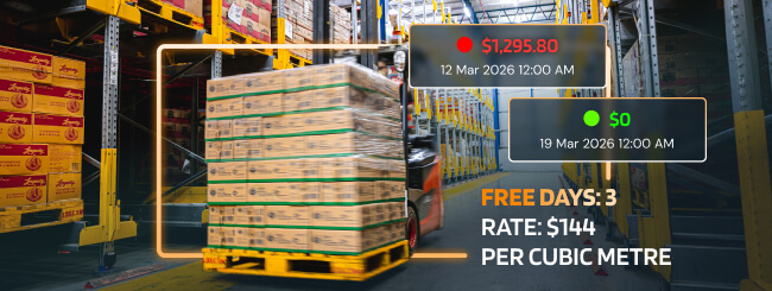
The familiar story: cargo arrives, gets unpacked, sits in the yard for days or weeks, then gets collected. Somewhere in that process, storage billing gets missed or disputed. Different clients have different free-day SLAs. Despatch teams don't always know how long cargo has been sitting before they release it. Finance discovers weeks later that containers left without storage being charged.
The result is revenue leakage, billing disputes, and operational inefficiency from manual processes. For a busy CFS operation, the lost revenue from missed storage billing can be substantial.
Manual storage billing is both time-consuming and unreliable. When billing depends on staff remembering to create jobs, calculating days, and cross-checking client SLAs, errors are inevitable. Automated, rule-driven storage billing removes that dependency entirely, and gives every team in your operation a clear, live picture of what's accruing.
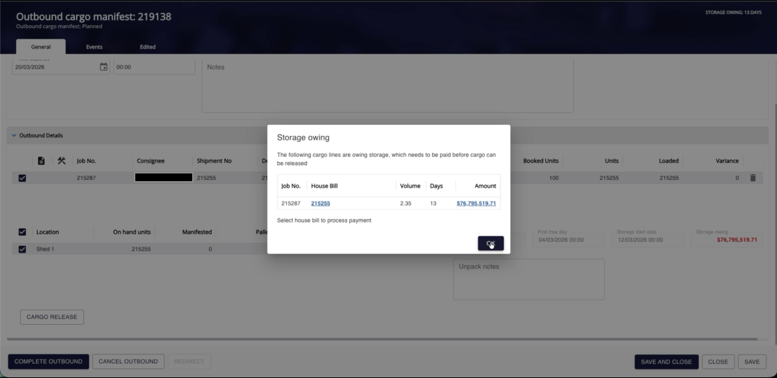
Storage data flows automatically into Origin Finance for accurate job-level billing, and into the Origin Customer Portal so clients can see storage charges accruing in real time, reducing disputes before they start.
CFS operations implementing Cargo Storage Tracking typically see:
CFS Cargo Storage Tracking is available now for Origin CFS customers. If you would like to see it in action, contact us here.
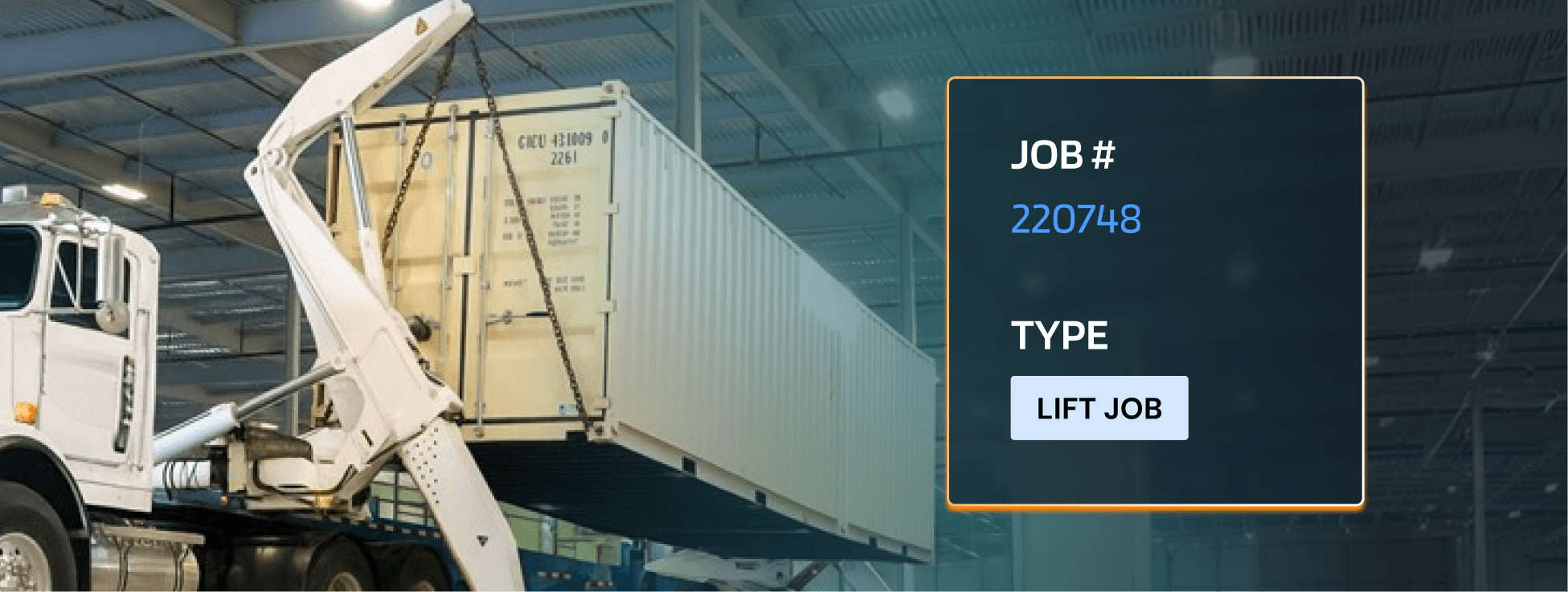
Optimising Complex Container Transport: The New Sideloader "Chaser" Workflow
Our new Sideloader "Chaser" Workflow is purpose-built for ANZ operators, enabling seamless coordination between sideloaders and support vehicles, real-time mobile execution, and automated cost tracking for even the most challenging site placements.
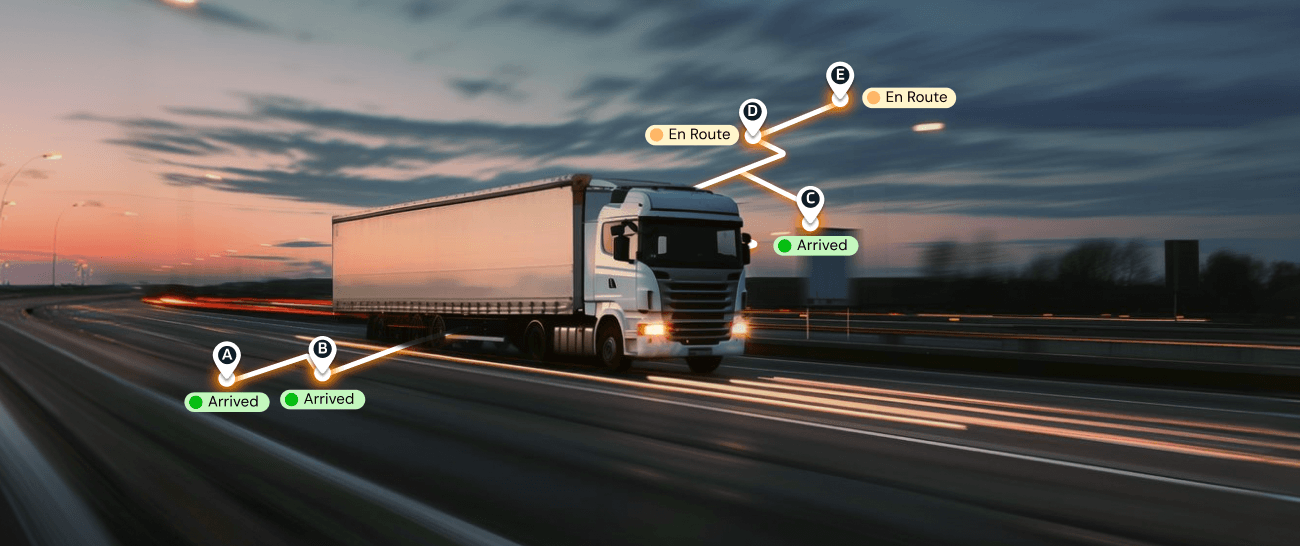
Integrated Map Visualisation & Route Automation
The Origin TMS now features Integrated Map Visualisation and Route Optimisation. Balance distance, traffic data, and delivery deadlines to handle the reality of daily logistics.
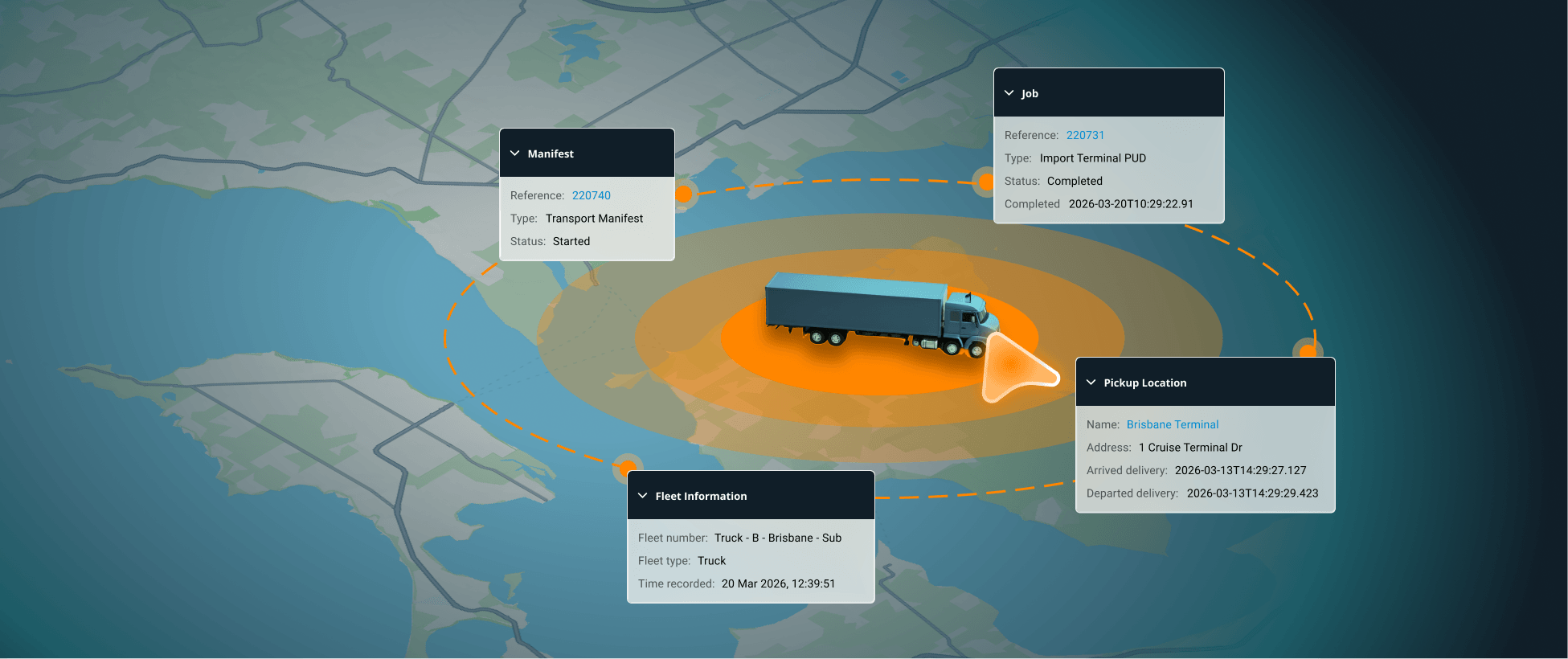
Real-Time Fleet Tracking: Connecting Location with Operational Context
The Origin TMS now features Real-Time Fleet Tracking Map Visualisation, providing a unified view of your entire operation. While traditional operators often struggle with fragmented third-party telematics integrations, Origin simplifies this by consuming live GPS data directly from our native driver app
© Copyright 2026, Sandfield Associates Limited. All Rights Reserved. Privacy Policy